REVIEW · ISTANBUL
Majestic Istanbul: Walking Tour & Sunset Cruise on the Bosphorus
Book on Viator →Operated by Velena Travel · Bookable on Viator
Sunset over the Bosphorus changes your whole day. This 7-hour Istanbul walking tour plus cruise threads together the old-world sights of Sultanahmet with a sunset boat ride across both sides of the city. The route keeps you moving through famous monuments and then shifts gears to open-water views.
I like two things a lot here: the focus on iconic pieces right in Sultanahmet Square and the fact that you’re not just sightseeing. You’re fed and watered too, with light snacks, cookies, delicious Turkish baklava, tea and coffee, and fruit. The group stays small (up to 20), so you get more time to ask questions and less time lost.
One thing to plan around: interiors are limited at two major stops. There’s no interior visit to Hagia Sophia, and Topkapi is limited to the first courtyard. Also, the cruise depends on good weather, so pack your patience if conditions turn.
In This Review
- Key highlights worth your attention
- Price and what you actually get for $119.14
- Meet-up point and route pacing (so you don’t feel trapped)
- Sultanahmet Hippodrome: the monuments that explain why Byzantines loved spectacle
- The “stop” monuments that still anchor the story
- Blue Mosque and Hagia Sophia area: see the icons, understand the limits
- Blue Mosque basics you’ll actually use
- Hagia Sophia: why you should still care without an interior ticket
- Topkapi Palace first courtyard: a power-house taste, not the whole museum
- Tram to Cemberlitas and the Grand Bazaar plan that feels doable
- Süleymaniye Mosque: Ottoman architecture with real structure
- Spice Bazaar (Misir Çarşısı): where taste wins over speed
- The Bosphorus sunset cruise: why the timing and snacks matter
- What you’ll likely enjoy most
- Cold-weather reality check
- Booking checklist: who this tour fits best
- Should you book Majestic Istanbul: Walking Tour & Sunset Cruise?
- FAQ
- FAQ
- What is the duration of the tour?
- How much does the tour cost?
- Is the tour offered in English?
- Where does the tour start and end?
- Do I get to visit Hagia Sophia inside?
- Does the tour include Topkapi Palace interior visits?
- What happens if I visit on a Friday regarding the Blue Mosque?
- Is Grand Bazaar open every day?
- What’s included on the Bosphorus cruise?
- Do I need warm clothes for the sunset cruise?
Key highlights worth your attention
- Small group (max 20) helps the guide keep you on track without rushing.
- Sultanahmet Hippodrome monuments are the kind you can’t really “stumble into” in a single pass.
- Blue Mosque rules on Fridays: you may see only exterior views that day.
- Tram-based routing means less backtracking between Sultanahmet, Column Constantine, and the Grand Bazaar.
- Bosphorus sunset timing works especially well when January chill makes you crave a warm boat cabin and quick breaks for snacks.
Price and what you actually get for $119.14
At $119.14 per person for about 7 hours, you’re paying for more than entry-level walking. You’re getting a guided loop through major historic landmarks in the old city, plus transportation that includes tram tickets for key connections and a transfer to the pier for the cruise.
The value is in the package feel: you’re not wandering from stop to stop alone. You also get a steady flow of extras that matter on a long afternoon, like baklava, fruit, and tea/coffee. Those little “time savers” add up when you’re standing in sun, then transitioning to a boat in the evening.
Other Bosphorus sunset cruises we've reviewed in Istanbul

Meet-up point and route pacing (so you don’t feel trapped)
The tour starts at Turkish & Islamic Arts Museum, Binbirdirek, At Meydanı Cd No:12, 34122 Fatih and ends at Kabatas Square in Beyoğlu. Start time is 1:00 pm, which is a smart choice because you hit the most intense sightseeing hours while you still have daylight, then roll into sunset.
You should expect a moderate walking day around Sultanahmet, then some short hops. The biggest “smart” bit is that the tour uses the tram for connections between Sultanahmet Square, Column Constantine, and the Grand Bazaar. That keeps the day from turning into a long grid of back-and-forth.
One practical note: there’s no hotel pick-up/drop-off listed. Still, at least one participant said the company handled a shuttle when their hotel was far from the pier. Don’t count on it as a promise, but it’s a signal that the operator may try to smooth things out when they can.
Sultanahmet Hippodrome: the monuments that explain why Byzantines loved spectacle
Your first stop is Sultanahmet Meydani, the former Hippodrome of Constantinople—an ancient public arena that functioned as the Byzantine capital’s social and political center for centuries. The guide’s job here is to help you read the stones.
The Hippodrome’s structure matters: a U-shaped track with tiered seating could hold tens of thousands of spectators. That’s the point of this stop. It’s not just “pretty old ruins.” It’s a window into why chariot racing ruled public life. When you’re standing in Sultanahmet Square, knowing the Hippodrome’s layout turns the area from scattered sights into a single place with purpose.
The “stop” monuments that still anchor the story
Right after the Hippodrome area, you’ll see several monuments that once formed the spina—the central divider of the race track.
- Walled Obelisk (Masonry Obelisk): This one is built from roughly cut stones, so it’s not a single monolith the way some other famous obelisks are. It’s a quick stop, but it’s also a useful contrast if you’ve seen obelisks elsewhere.
- Serpent Column: The intertwined serpents’ heads are the visual hook. This column was relocated from Delphi and is tied to a specific historical commemorative purpose: victory over the Persians, plus a tripod set on top.
- Obelisk of Theodosius: You’re looking at a red granite obelisk re-erected by Theodosius I. The scale is part of why it sticks in your mind, and the hieroglyph inscriptions are a reminder that Constantinople used older symbols and materials to project power.
There’s also a brief pause at German Fountain. The itinerary keeps this segment short, so think of it as a scenic, photo-friendly buffer while the guide keeps the pacing moving.
Blue Mosque and Hagia Sophia area: see the icons, understand the limits
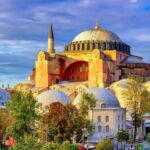
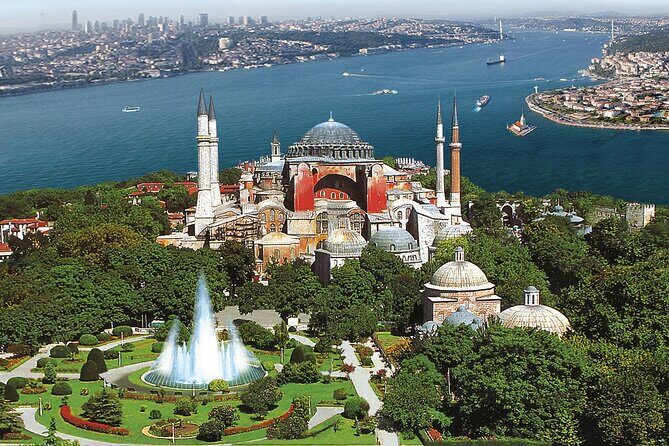
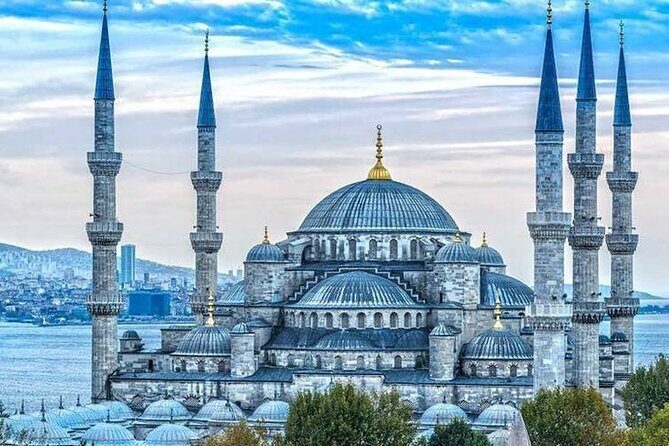
Next you land in the heart of Istanbul’s “wow” zone: Blue Mosque (Sultan Ahmed Mosque) and Ayasofya (Hagia Sophia). The guide gives you the architecture context so you’re not just staring at famous silhouettes.
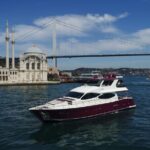
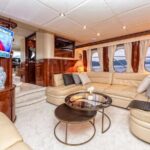
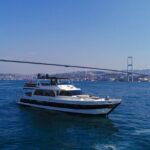
Other luxury Bosphorus yacht cruises in Istanbul

Blue Mosque basics you’ll actually use
The Blue Mosque was constructed between 1609 and 1616 under Sultan Ahmed I. The name comes from the blue tiles inside, and the design is classic Ottoman with major Byzantine influence points.
What I think is especially helpful here is the minaret story. The mosque has six minarets, which caused controversy because it matched the number at Masjid al-Haram in Mecca. The tour’s explanation gives you a lens for why details that feel random often have political meaning.
Two practical considerations:
- On Fridays, only exterior visits are available to the Blue Mosque.
- Ladies are recommended to bring scarfs for use while visiting.
Hagia Sophia: why you should still care without an interior ticket
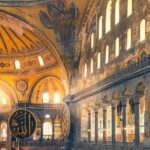
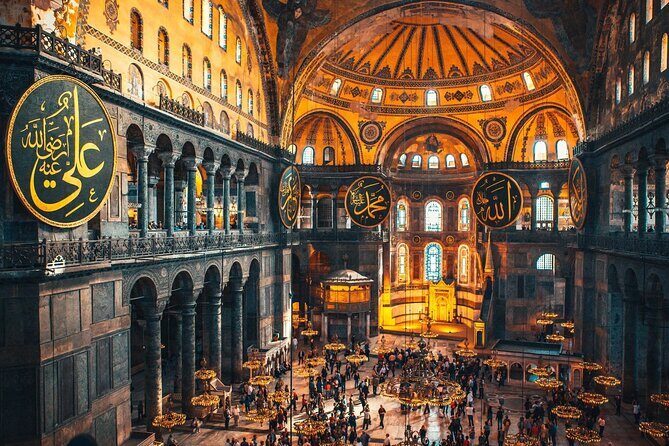
You’ll spend about 25 minutes at Ayasofya, but there’s no interior visit. Still, this stop isn’t wasted time if you show up with the right expectations.
The key is scale and multi-era function: it was originally built as a cathedral and served multiple religious purposes over time, with history spanning over a millennium. Even from outside (and from the surrounding viewpoints), you can get the big-picture sense of why people treat Hagia Sophia like a landmark with gravity.
If you’re dreaming of tile close-ups and floor-level details, this is the trade-off you’re making.
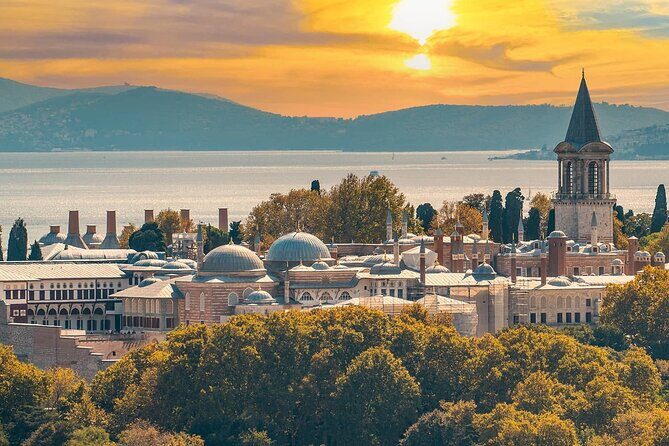
Topkapi Palace first courtyard: a power-house taste, not the whole museum
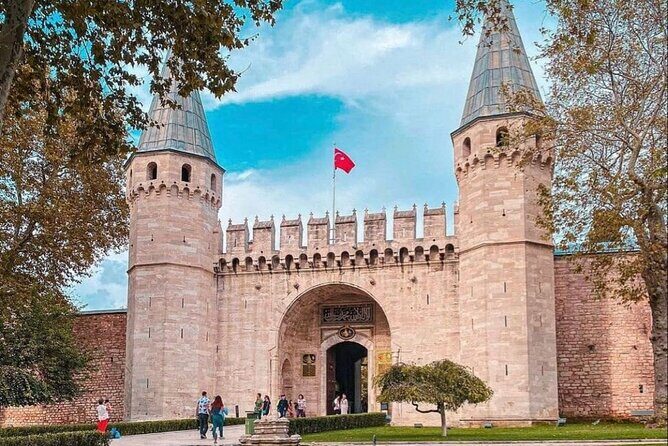
Topkapi is massive, so the itinerary keeps it focused: about 30 minutes, and only the first courtyard is visited. That sounds limiting, but it actually works for most people on a day with a later cruise.
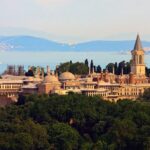
Topkapi served as the Ottoman sultans’ main residence and administrative headquarters for nearly 400 years, from the 15th to the 19th century. The complex covers a huge area—around 700,000 square meters at its peak—with courtyards arranged in an increasing order of privacy.
Visiting only the first courtyard means you’re getting that “front door” feeling: you see scale and layout without losing the whole afternoon in lines and exhibits you may not have time for.
Tram to Cemberlitas and the Grand Bazaar plan that feels doable
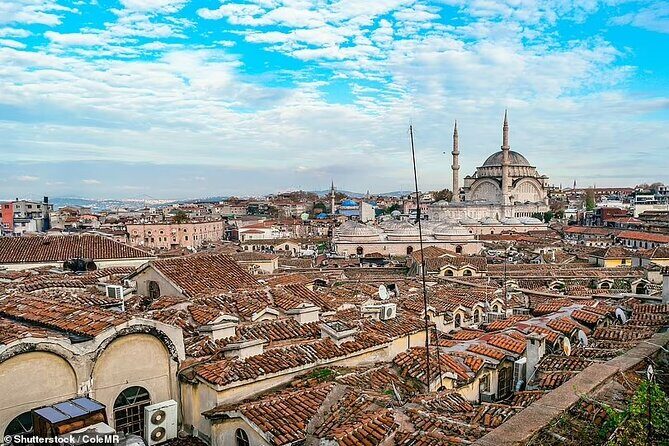
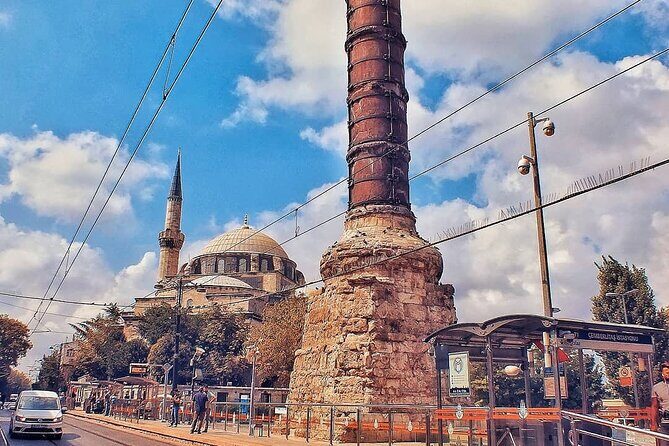
After Sultanahmet, you take the tram to Column Constantine (Cemberlitas Sutunu). You’ll have about 5 minutes here, so it’s about location and quick context, not lingering.
The column commemorated Constantinople’s dedication as the Roman Empire’s new capital in 330 AD, tied to Constantine the Great. It’s made from porphyry with a purple hue, and it once stood far taller with a statue at the top (the original statue was lost in the 12th century, with later restorations after fire and earthquake damage).
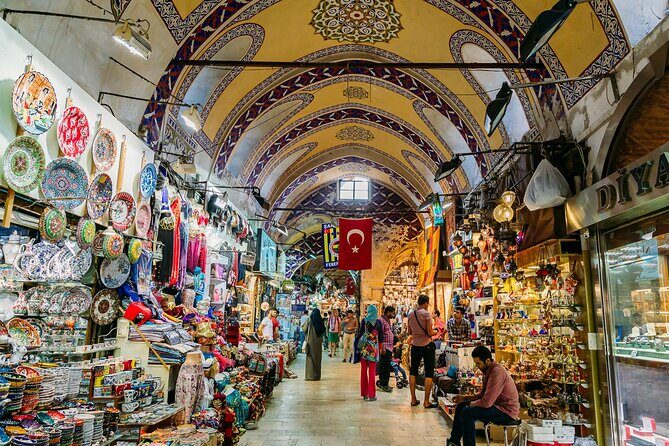
Then you move on to Grand Bazaar, where your time becomes more flexible and more sensory. The tour gives you history: construction started in 1455 after the Ottoman conquest, under Sultan Mehmed II, with the bazaar originally tied to economic support for Hagia Sophia. By the 17th century, it reached its final shape with thousands of shops in a maze of streets.
Because Grand Bazaar is huge, having a guide matters. You get a sense for how to walk without getting swallowed.
Two key rules to know:
- Grand Bazaar is closed on Sundays.
- If you’re the type who hates time pressure, go slower once you enter and use your 30 minutes intentionally.
Süleymaniye Mosque: Ottoman architecture with real structure
Next is Süleymaniye Mosque, with about 30 minutes. This is one of the stops where the tour stops feeling like a checklist and starts feeling like architecture reading.
The mosque was commissioned by Sultan Süleyman the Magnificent and designed by Mimar Sinan, completed in 1557. The guide points out the idea of Ottoman innovation with Byzantine elements—specifically the dome drawing inspiration from Hagia Sophia.
A detail that helps you “see” the building: the main dome is supported by half-domes and buttresses, and the central dome is about 53 meters high with a diameter of 27.5 meters. When you know those numbers, you’re less likely to miss the geometry.
Spice Bazaar (Misir Çarşısı): where taste wins over speed
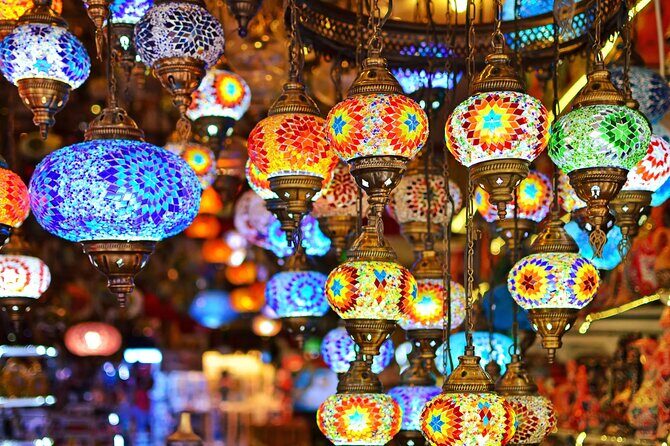
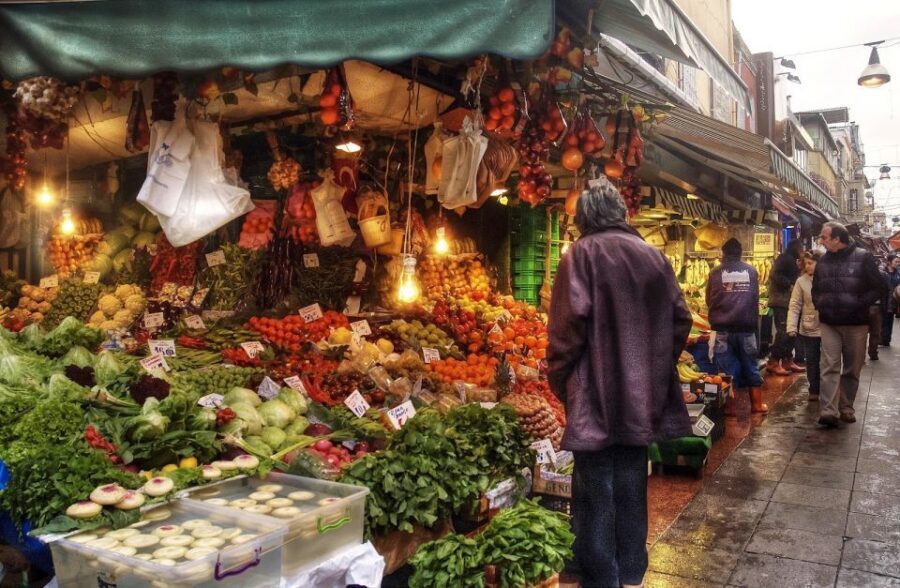
Your final market stop is Misir Carsisi, also known as the Spice Bazaar (Mısır Çarşısı). This one is shorter—around 15 minutes—which is perfect if you want flavor without committing your whole day to shopping.
It’s famous for spices, herbs, sweets, dried fruits, nuts, and other culinary delights. The tour’s context helps: it was built in the 1660s as part of the Yeni Cami complex, with revenues meant to support mosque maintenance. The name “Egyptian Bazaar” connects to Ottoman-era goods coming from Egypt and the broader empire.
The architecture angle is also practical. The bazaar has 85 shops lining an L-shaped, vaulted corridor, with multiple entrances. That means you’re not trapped in one dead-end loop. Even in a short visit, you can walk through and get what you came for.
The Bosphorus sunset cruise: why the timing and snacks matter
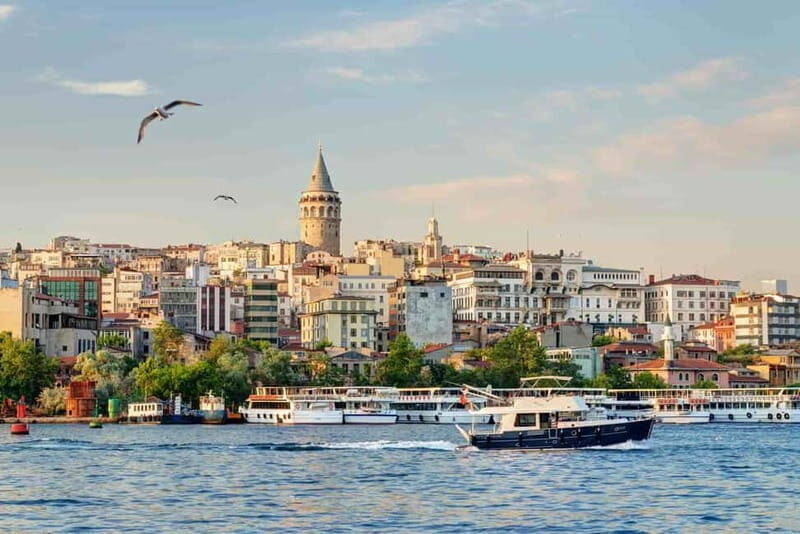
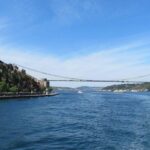
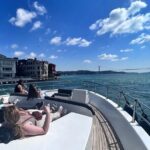
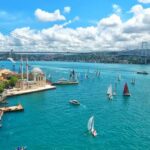
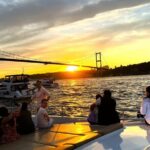
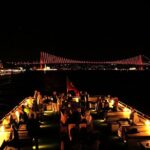
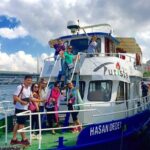
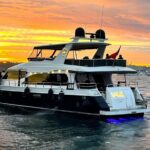
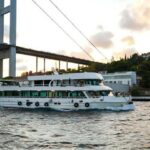
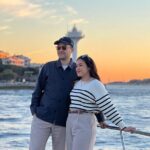
This is the part people remember: a sunset Bosphorus cruise. The tour includes transportation to the pier from the old city, and you’re back to the big views that Istanbul does better than almost anywhere else.
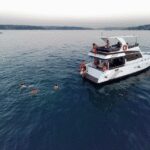
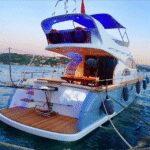
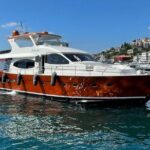
In the reviews, the cruise is described as spacious with a luxurious feel, plus friendly staff who keep things easy. One participant singled out Mohammed for going above and beyond to get the perfect photos—so if photo timing matters to you, this is a good sign.
What you’ll likely enjoy most
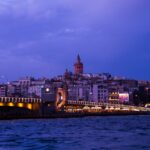
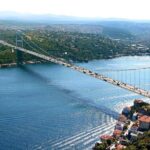
- Views of both European and Asian sides. Even if you’ve seen photos, it hits differently from water.
- A steady spread of food and drink during the ride: light snacks, cookies, baklava, fruit platter, and tea and coffee.
- Seasonal drinks: lemonade in summer, fresh fruit juice in winter.
Cold-weather reality check
If you’re going in cooler months, plan for it. One review mentions that January sunset gets cold once the sun goes down, even with small blankets and a heater in the cabin. The advice is simple: wear very warm clothing and bring gloves if you want to enjoy the open air.
This is a tour where comfort affects your mood, so don’t treat winter weather as optional.
Booking checklist: who this tour fits best
This combo tour works best if you want a guided day that covers the big names without turning into an all-day museum marathon.
You’ll probably like it if:
- You want a structured old-city walk with key monuments and context.
- You prefer not to plan tram routes and meeting points by yourself.
- You value included food and drinks more than extra shopping stops.
You might reconsider if:
- You need interior access to Hagia Sophia or more than the first courtyard at Topkapi.
- You travel on a Sunday (Grand Bazaar closure).
- You’re sensitive to cold and don’t want to bundle up for a sunset boat ride.
Should you book Majestic Istanbul: Walking Tour & Sunset Cruise?
If your ideal Istanbul day has two parts—icons on land and serious views on water—then yes, this one is a solid bet. The money makes more sense when you look at the full package: guide, tram connections, pier transfer, snacks and drinks, and the sunset timing that lets you see the city changing.
My “book it” recommendation is strongest for first-timers who want to get oriented fast: Sultanahmet’s Hippodrome monuments, the Blue Mosque/Hagia Sophia zone, Topkapi’s courtyard taste, and then the Bosphorus at the hour when the skyline looks its best.
FAQ
FAQ
What is the duration of the tour?
The tour runs about 7 hours.
How much does the tour cost?
It costs $119.14 per person.
Is the tour offered in English?
Yes, it’s offered in English.
Where does the tour start and end?
It starts at Turkish & Islamic Arts Museum, Binbirdirek, At Meydanı Cd No:12, Fatih and ends at Kabatas Square in Beyoğlu.
Do I get to visit Hagia Sophia inside?
No. The tour does not include an interior visit to Hagia Sophia.
Does the tour include Topkapi Palace interior visits?
No interior visit is included beyond the first courtyard of Topkapi Palace.
What happens if I visit on a Friday regarding the Blue Mosque?
On Fridays, only exterior visits are available to the Blue Mosque.
Is Grand Bazaar open every day?
No. Grand Bazaar is closed on Sundays.
What’s included on the Bosphorus cruise?
The tour includes transportation to the pier, and on board you’ll have light snacks, cookies, Turkish baklava, fruit, tea and coffee, plus seasonal lemonade or fruit juice.
Do I need warm clothes for the sunset cruise?
If you’re traveling in colder months, you should expect it to be cold once the sun goes down. The tour provides small blankets and there is a heater in the cabin, but bringing warm clothing and gloves is a good idea.