REVIEW · ISTANBUL
Istanbul Bosphorus Sightseeing Cruise with Audio Guide
Book on Viator →Operated by Tourmania · Bookable on Viator
Bosphorus sights, no planning stress. This Istanbul cruise packs major waterfront landmarks into about an hour, and the mobile audio guide helps you connect the views to what you’re seeing as you glide between Europe and Asia. I like that you can follow along in English and use your phone to keep the commentary close by while you watch the shoreline change.
The big win for me is value: at about $18.10, you get a serious dose of Istanbul’s signature scenery without spending half a day on transport and transfers. The other thing I really appreciate is the hop-on, hop-off style setup, which makes it easier to mix this cruise with other sights if your day is crowded.
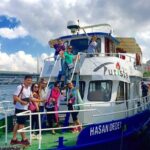
One thing to consider: this is an affordable, practical boat ride, so don’t expect luxury details. In at least one experience, some window glass was described as damaged, and the boat felt more functional than high-end.
In This Review
- Key Highlights at a Glance
- Why This Bosphorus Cruise Fits Real Schedules
- Boarding at Kabataş: Meeting Point, Timing, and What to Bring
- Using the Mobile Audio Guide Without Missing the Views
- Dolmabahçe Palace From the Water: European-Style Ottoman Glamour
- Ortaköy Mosque and the Bosphorus Buzz at Water Level
- The Bosphorus Bridge (1973): Europe-to-Asia in a Single Structure
- Rumeli Fortress: A 15th-Century Military Stop With a Modern Stage
- Fatih Sultan Mehmet Bridge (1988): The Second Unifier
- Emirgan Park and the April Tulip Festival Feel
- Küçüksu Pavilion (Küçüksu Kasrı): European-Ottoman Style in a Summer Palace
- Beylerbeyi Palace: 24 Rooms of Ottoman and Western Mixing
- Hop-On, Hop-Off Setup: How to Use the Cruise for a Full Day
- Should You Book the Istanbul Bosphorus Sightseeing Cruise?
- FAQ
- How long is the Istanbul Bosphorus sightseeing cruise?
- How much does the cruise cost?
- What language is the audio guide in?
- Is there a mobile ticket?
- Where is the meeting point?
- Where does the tour end?
- Is there a hop-on, hop-off option?
- How large is the group?
- Is free cancellation available?
- Is good weather required?
Key Highlights at a Glance
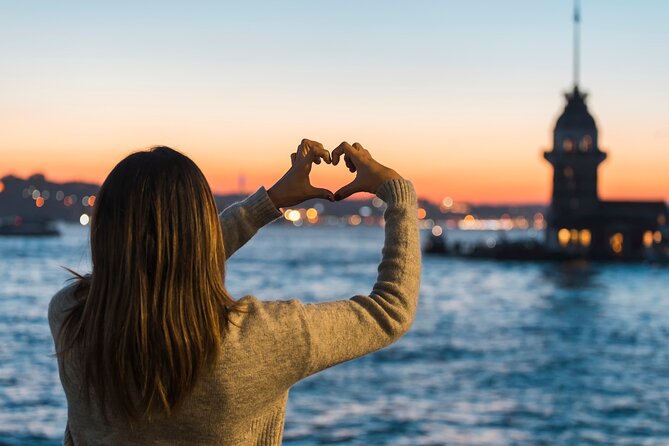
- One hour, many landmarks along both sides of the Bosphorus
- Mobile audio guide on your phone in English for easy listening
- Hop-on, hop-off flexibility so you can ride the full route or mix stops
- Iconic sights from the water: Dolmabahçe, Ortaköy, bridges, forts, palaces
- Small group size (max 100) which helps the ride feel manageable
Why This Bosphorus Cruise Fits Real Schedules
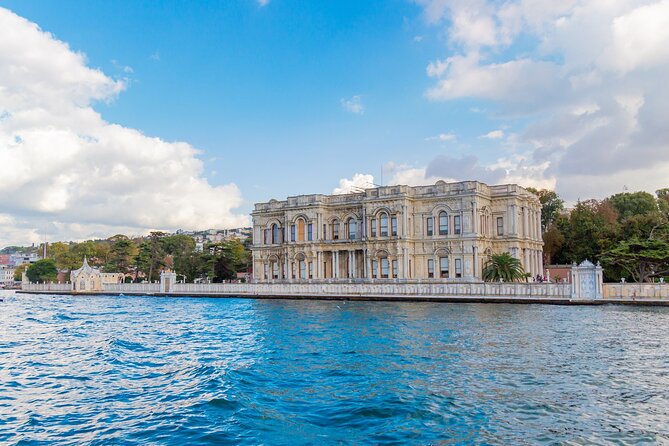
This is the kind of tour that works when you have limited time and you want payoff fast. You’re on the water for about an hour, yet the route is built around heavyweight Istanbul landmarks: Ottoman palaces, major bridges, and historic fortifications. If you’ve ever tried to see all of that on foot, you know how quickly a day can melt away.
Price matters here. At $18.10 per person, you’re paying for a very efficient way to get big views of the Bosphorus Strait. It’s not a guided walk-through where you spend extra time hopping between ticket lines and buses. Instead, the boat does the moving for you, and you get a front-row seat to the waterfront.
This also helps your photography. Bridges, mosques, and palace facades don’t show well when you’re far inland. On the water, those facades sit closer and read more clearly. You also get perspective on the geography of Istanbul—how the city is “split” but still functions as one continuous urban system.
If you're still narrowing it down, here are other tours in Istanbul we've reviewed.

Boarding at Kabataş: Meeting Point, Timing, and What to Bring
You start at Dentur Avrasya Kabataş İskelesi Mahallesi, Ömer Avni, Meclis-i Mebusan Cd. No:34, 34427 Beyoğlu, İstanbul, Türkiye. The tour ends back at the meeting point, which is a simple setup you can plan around without guessing your return route.
The cruise runs on a tight enough schedule that timing feels important. One review noted the ship departed on time, which is exactly what you want on a one-hour experience. The good news: the meeting area is listed as near public transportation, so you can usually reach it without a long detour.
Bring the basics that make boat time comfortable:
- A light layer. Water breezes can feel cooler than you expect.
- Any device you want for the audio guide. You’ll be listening while you watch.
- Comfortable shoes in case you need to walk a bit along the dock area.
The tour uses a mobile ticket. That means less fuss with printed papers, and it’s handy if you’re coordinating multiple activities in the same day.
Using the Mobile Audio Guide Without Missing the Views
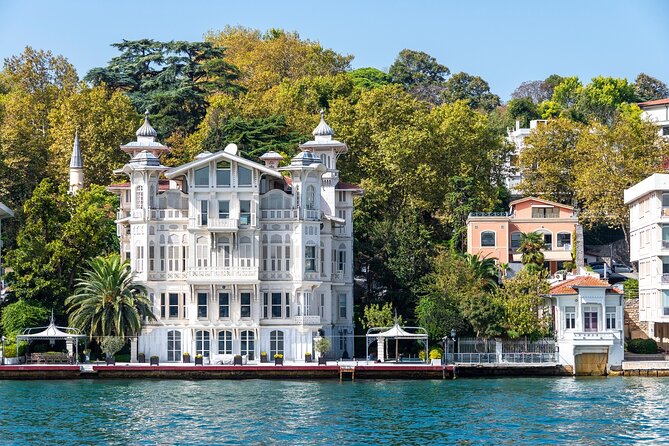
The audio guide is offered in English, and the experience includes mobile audio support. In practice, that means you can keep your attention on the shoreline and let the narration do the heavy lifting. When you know what a building is and why it matters, even a quick look becomes more meaningful.
This is especially useful on a route with several palace and fort stops. The Bosphorus waterfront can look similar at a glance—stone, water, skyline, repeating architectural styles—so explanations help you “read” the scene. You also get context for the major bridges and fortifications, which otherwise might feel like just impressive structures.
One practical tip: if you want the best balance between listening and looking, keep the phone audio at a comfortable volume and watch for the moment when the boat slows near each landmark. The commentary helps, but your best photos will still come when you’re positioned well outside.
Dolmabahçe Palace From the Water: European-Style Ottoman Glamour
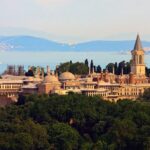
One of the first big sights you’ll encounter is Dolmabahçe Palace (Dolmabahce Sarayi). This was home to Ottoman sultans in the late 19th and early 20th centuries, before the empire fell. From the water, you can see why people react to the place: giant crystal chandeliers, marble staircases, and lush carpets are part of the story, and the exterior reads as intentionally grand.
Why it’s worth seeing from the Bosphorus: palace façades are designed to be viewed as statements. On land, you’re often far back or blocked by crowds. On a cruise, the building aligns with the water line, and the whole scene feels more like a curated view.
What to consider: you’re not touring the interior. This is a “see it, understand it, move on” stop. If your dream is to walk through rooms and stare at details in person, you’ll want a separate palace visit later. But for a one-hour overview cruise, Dolmabahçe gives you a strong anchor.
Ortaköy Mosque and the Bosphorus Buzz at Water Level
Ortaköy is the lively waterside neighborhood where bars, restaurants, cafés, and nightclubs cluster along the shore. The standout sight here is Ortaköy Mosque (Ortaköy Cami), a 19th-century building with baroque and neoclassical influences.
From the boat, this stop has a different feel than most city sightseeing. The mosque and neighborhood sit right on the water’s edge, so you get the texture of modern Istanbul layered onto an older setting. And behind it, the Bosphorus Bridge looms, which helps you understand how the city built a new “connector” over an area that already mattered deeply.
Possible drawback: since Ortaköy is active, views can be photo-friendly but not always perfectly calm. Lighting changes quickly on the water. If you’re serious about photos, you may want to keep your camera ready for short windows when the boat lines up well.


The Bosphorus Bridge (1973): Europe-to-Asia in a Single Structure
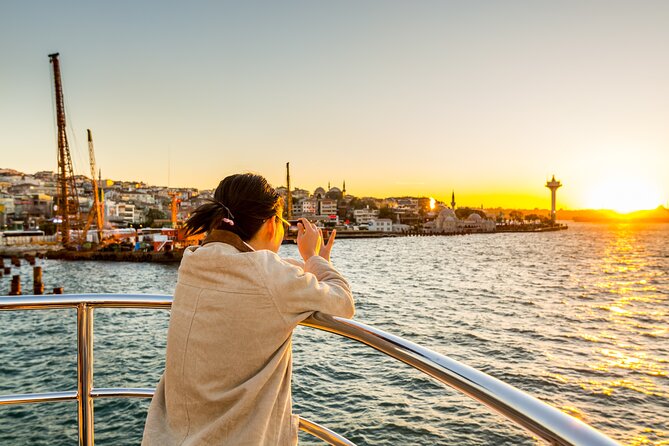
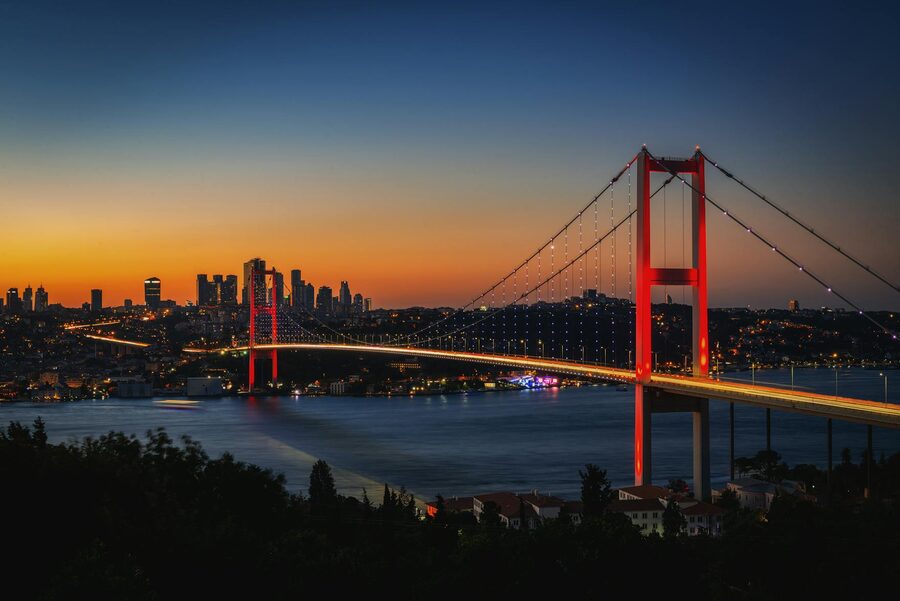
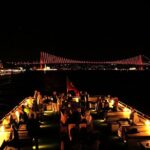
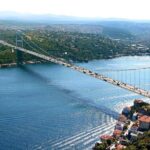
The Bosphorus Bridge (Bogazici Koprusu) is one of three bridges spanning the continent divide over the Bosphorus Strait. When it opened in 1973, it was the fourth-longest suspension bridge in the world, at about 1,560 meters (5,118 feet). Even if you’ve seen bridge photos before, seeing it in motion matters.
This bridge is a clear lesson in how Istanbul changed its “two halves” into a practical connected city. Before the bridges, people relied more heavily on boats and routes that crossed the water. Once the bridge arrived in the 1970s, the urban logic shifted.
What I like about including a bridge stop on this cruise is that it prevents the sightseeing from becoming only about old buildings. Istanbul’s story includes infrastructure, too. Watching the bridge as the shoreline slides by helps you grasp scale.
Rumeli Fortress: A 15th-Century Military Stop With a Modern Stage
Next up is Rumeli Fortress, built in the 15th century. The striking detail: it was built in just four months, and it played a role in the fall of Byzantine Constantinople. Together with its counterpart on the opposite shore, Anatolian Fortress (Anadolu Hisarı), Rumeli Fortress helped the Ottomans cut off aid and supplies to Constantinople.
Today, Rumeli Fortress isn’t locked in time. It serves as an open-air theater and remains an important historical sight. That mix is what makes it engaging from the water. You’re seeing a defensive structure that now has a cultural use, so the location feels less like a museum and more like part of daily life.
What to consider: fortresses can look best from a specific angle. On a moving boat, you’ll want to pay attention to timing around each position. If you miss your best angle, it’s still worth it, but you’ll have less variety in the details you capture.
Fatih Sultan Mehmet Bridge (1988): The Second Unifier
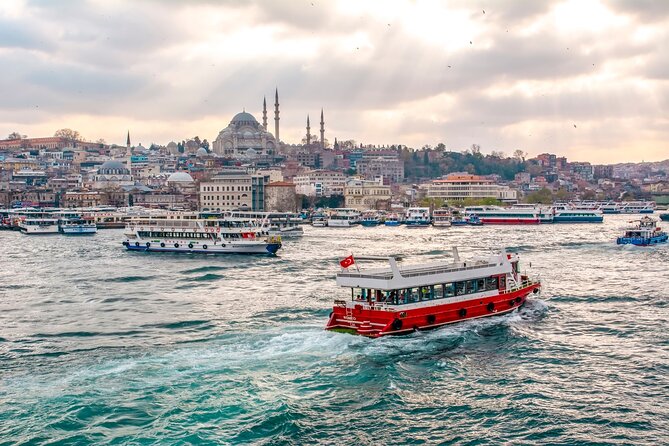
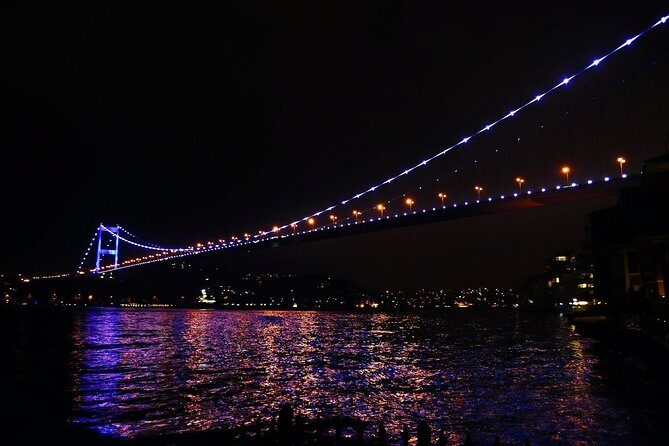
Istanbul existed without connecting bridges for most of its history. After the Bosphorus Bridge came in the 1970s, the second unifying bridge, Fatih Sultan Mehmet, arrived in 1988. It connects the European and Asian sides and is part of the O-2 highway.
This section of the cruise gives you the feeling of Istanbul’s layers: older empires, then a modern city system that ties both continents together with daily traffic. The bridge also helps you track where you are geographically as the route continues.
Practical note: bridge views tend to be strong from the center of the boat, but that can depend on your exact seating and crowd flow. If you’re photo-focused, you’ll want to avoid being stuck behind tall reflections or people leaning forward at the last second.
Emirgan Park and the April Tulip Festival Feel
Emirgan Park (Emirgân Korusu) is one of the larger parks in Istanbul and acts like an oasis of nature in the city’s sprawl. It’s popular on weekends, with jogging trails and picnic areas, and it’s also the main venue for the Istanbul Tulip Festival, which blooms every April.
Seeing Emirgan Park from the water is a reminder that Istanbul isn’t only palaces and monuments. You get a green break between landmark zones. That matters because it changes your sense of the city: the Bosphorus isn’t just a scenic corridor—it’s also where locals decompress.
What to consider: depending on the season and lighting, parks can be less photo-graphic than stone landmarks. If you’re visiting outside spring, you might still enjoy it for the greenery and the break in the skyline, but don’t expect tulip-level color every month.
Küçüksu Pavilion (Küçüksu Kasrı): European-Ottoman Style in a Summer Palace
Küçüksu Palace, also called Küçüksu Pavilion (Küçüksu Sarayı), was commissioned in the mid-19th century by Sultan Abdulmecit as a summer palace. The design blends European and Ottoman styles, and the exterior includes intricate carving with sweeping staircases. Inside, the palace is described with gilded accents and chandeliers.
From the Bosphorus, a summer palace makes sense. It’s water-proximate by design, and the position reinforces the palace’s original purpose: a getaway close to transport and views. From your seat, you’re getting a sense of taste and status rather than a deep room-by-room experience.
Practical drawback: like Dolmabahçe, you’re mostly observing from outside. If you want to admire interiors up close, you’ll need a separate plan. But for a shorter cruise, Küçüksu gives you a strong slice of the style shift toward European-influenced Ottoman taste.
Beylerbeyi Palace: 24 Rooms of Ottoman and Western Mixing
Beylerbeyi Palace (Beylerbeyi Sarayi) sits in the shadow of Istanbul’s first bridge and historically served as a summer residence for Ottoman sultans. It has 24 rooms, with decoration mixing Ottoman and Western elements. There are 19th-century furniture pieces from Europe, plus garden pavilions, and the ornate exterior is visible from the Bosphorus Strait.
This stop works because it’s still legible as a “palace from the water.” The building’s design reads clearly across the waterline. If you’ve been trying to understand how Istanbul shifted between East and West in different centuries, Beylerbeyi gives you a tangible example.
What to consider: palace exteriors are often more impressive in motion, when you’re not frozen in one viewpoint. The cruise helps because the boat angle changes as you pass, and that movement makes architectural lines easier to notice.
Hop-On, Hop-Off Setup: How to Use the Cruise for a Full Day
One of the smartest things about this cruise is the hop-on, hop-off style setup. That means you can ride the entire route in one continuous shot or get off and come back later depending on the schedule. For a short visit to Istanbul, that kind of flexibility can be a lifesaver.
Here’s a simple way to think about it:
- If you’re time-limited, do the full ride once and treat it like a fast visual orientation of the Bosphorus.
- If you want to linger, hop off near one strong stop (like Ortaköy or Emirgan Park) and build the rest of your day around that area.
Also, with a max group size of 100, you’re less likely to feel crushed. It still can get busy near popular viewpoints, but the overall scale is manageable.
If you’re pairing this with other Istanbul activities, plan on the cruise being your “movement backbone.” You’ll see the skyline and landmarks without spending hours commuting between distant sites.
Should You Book the Istanbul Bosphorus Sightseeing Cruise?
Yes, book it if you want a fast, high-ROI way to see major Bosphorus landmarks—especially if you like structure but don’t want a long day. At $18.10, the value is strong for an experience that includes a mobile audio guide in English and a route built around recognizable highlights like Dolmabahçe, Ortaköy Mosque, Rumeli Fortress, and multiple bridges.
Skip or reconsider if you expect a premium boat experience. This is a practical option, and if you’re sensitive to comfort details, you might not love the “cheap and cheerful” vibe. Also, because it’s about an hour, you’re looking at exteriors and major silhouettes more than doing in-depth landmark study.
A final practical note: the experience runs with the weather in mind, and if it’s canceled due to poor conditions, you’ll be offered another date or a full refund. That gives you some breathing room if your trip dates are tight.
FAQ
How long is the Istanbul Bosphorus sightseeing cruise?
It’s listed at about 1 hour.
How much does the cruise cost?
The price is $18.10 per person.
What language is the audio guide in?
The experience is offered in English.
Is there a mobile ticket?
Yes, you receive a mobile ticket.
Where is the meeting point?
The start point is Dentur Avrasya Kabataş İskelesi Mahallesi, Ömer Avni, Meclis-i Mebusan Cd. No:34, 34427 Beyoğlu/İstanbul, Türkiye.
Where does the tour end?
It ends back at the meeting point.
Is there a hop-on, hop-off option?
The cruise is described as hop-on hop-off, so you can ride continuously or use the flexibility during the service.
How large is the group?
The maximum number of travelers is 100.
Is free cancellation available?
Yes. You can cancel up to 24 hours in advance for a full refund, based on local time.
Is good weather required?
Yes, the experience requires good weather. If it’s canceled due to poor weather, you’ll be offered another date or a full refund.