REVIEW · ISTANBUL
Guided Bosphorus Afternoon Cruise on Yacht
Book on Viator →Operated by Golden City Tours · Bookable on Viator
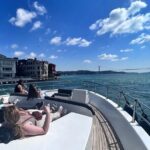
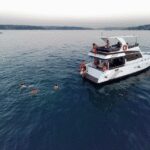
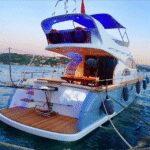
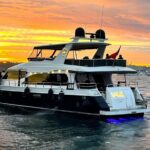
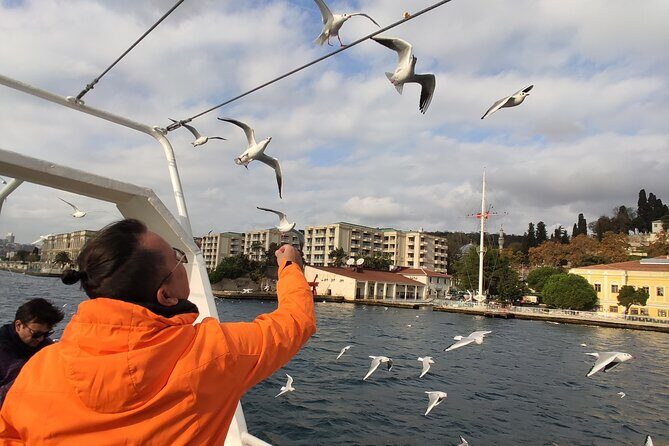
Two hours on the Bosphorus turns Istanbul into a moving postcard. You’ll ride a comfortable yacht with a live English guide narrating what you’re seeing, linking Ottoman palaces, bridges, and fortifications into one smooth sightseeing loop.
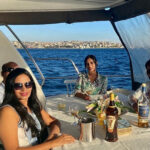
I especially like the onboard food: a fresh fruit plate, cookies, baklava, hot drinks, and mint lemonade, plus water, tea, and coffee. And the vibe of the crew matters here—one guide named Erdal is highlighted for taking safety and attention seriously, so the trip feels calm even if you’re traveling solo.
One real consideration: this isn’t for everyone. The tour notes it’s not recommended if you have vertigo or seasickness, since you’ll be out on open water.
In This Review
- Key highlights worth your attention
- A 2-hour Bosphorus cruise that strings big Istanbul sights together
- Getting to the yacht: where to meet and what helps
- Snacks, mint lemonade, and hot drinks: why the onboard food matters
- Dolmabahçe Palace and Çırağan Palace: European style meets Ottoman power
- Dolmabahçe Palace
- Çırağan Palace
- Ortaköy, the Bosphorus Bridge, and Bebek: neighborhoods that make the cruise feel real
- Ortaköy
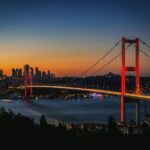
- The Bosphorus Bridge
- Bebek
- Rumeli Hisarı and Anadolu Hisarı: the Bosphorus chokepoint story in stone
- Rumeli Hisarı (Rumeli Fortress)
- Anadolu Hisarı (Anatolian Fortress)
- Beylerbeyi Palace and an Ottoman pavilion museum stop
- Beylerbeyi Palace
- The Ottoman pavilion museum
- Tower views: Galata Tower, Galata Bridge, and the photo-friendly skyline
- Galata Tower
- Galata Bridge
- Price and value for a guided 2-hour Bosphorus yacht cruise
- Should you book this Bosphorus afternoon cruise?
- FAQ
- What is the duration of the guided Bosphorus afternoon cruise?
- How much does it cost per person?
- What time does the tour start and where does it end?
- What language is the tour guide?
- What’s included on the yacht?
- Is the tour suitable for everyone who has motion sensitivity?
Key highlights worth your attention
- Live English narration that explains what you’re looking at as you pass landmarks
- Fresh snacks and drinks onboard, including mint lemonade and baklava
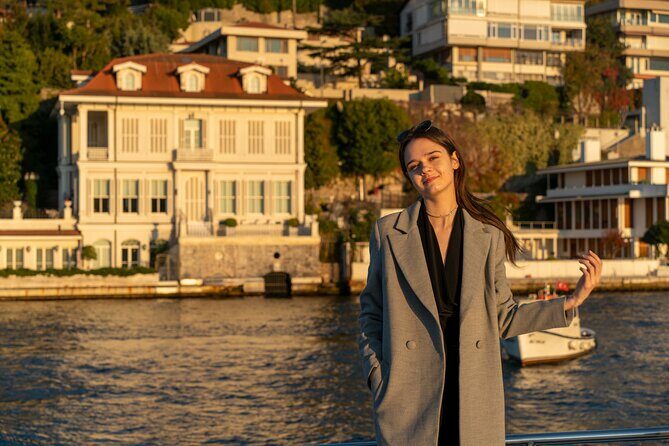
- Photo angles from the water with historic sites in the frame
- Bosphorus fortresses and palaces on both sides of Istanbul
- Small group size (max 30) for a less chaotic feel
A 2-hour Bosphorus cruise that strings big Istanbul sights together
This is a smart length for first-time Istanbul planning. About two hours gives you meaningful Bosphorus views without eating your whole afternoon.
You’ll move through a “greatest hits” stretch: Dolmabahçe and Çırağan on the European side, neighborhood stops around Ortaköy and Bebek, then the fortified chokepoints that tell the real story of how control of the Bosphorus changed hands over centuries. The guide’s job is to make it make sense, not just point.
If you want the short version of Istanbul’s geography—Europe on one bank, Asia on the other—this cruise hits that idea fast. And since you’re on the water, you’re seeing details the city’s main streets often hide.
Other Bosphorus yacht cruises we've reviewed in Istanbul
Getting to the yacht: where to meet and what helps
You meet at Ömer Avni, Meclis-i Mebusan Cd. No:34, 34427 Beyoğlu. Start time is 1:00 pm, and the tour ends back at the meeting point, so you’re not dealing with a complicated handoff.
The day-of experience is also set up to be easy: you get a mobile ticket, and the meeting location is near public transportation. There’s a restroom on the boat, which sounds basic until you’re on a sightseeing outing that lasts just long enough to matter.
One more practical note: transfers aren’t included. That’s normal for this kind of short cruise, but it does mean you’ll want to plan how you’ll get there and back on your own.
Snacks, mint lemonade, and hot drinks: why the onboard food matters
Let’s talk value for a second. A lot of Istanbul cruises are basically “sit and stare.” This one adds structure with guided narration and a steady stream of comfort food.
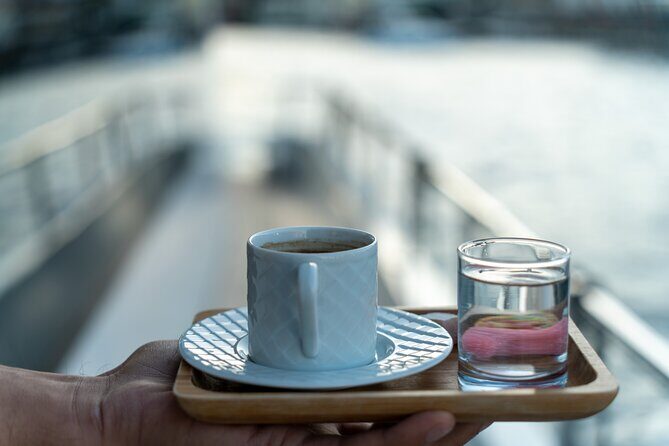
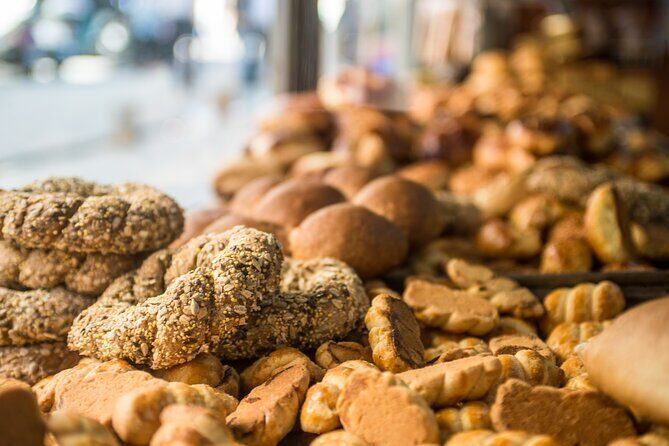
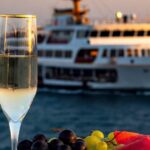
Included are a fruit plate prepared fresh with the season, cookies, baklava, and hot drinks. You also get homemade mint lemonade with fresh mint, plus water, tea, and coffee.
That matters because it keeps the cruise from feeling rushed. You’re not hunting for food in-between sights, and the drinks help you stay comfortable even if the weather turns a bit changeable. Also, since alcohol isn’t included, you can keep the trip moving at a good pace without surprises at the end.
If you’re sensitive to sweets, pace yourself. It’s a lot of treats, and you’ll probably want to save room for a proper sit-down later in the city.
Dolmabahçe Palace and Çırağan Palace: European style meets Ottoman power
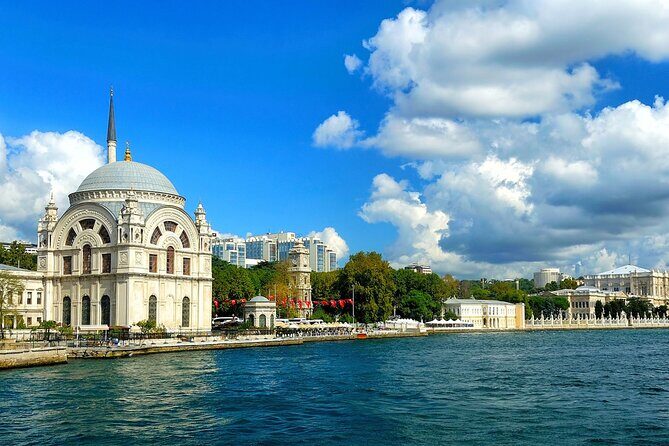
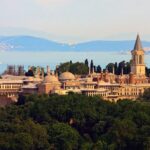
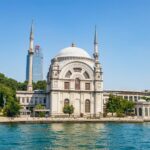
From the water, you’ll be close enough to appreciate scale and setting, even without walking the palace grounds. The guide links these buildings to Istanbul’s mid-19th-century push toward European architectural influence.
Dolmabahçe Palace
Dolmabahçe was built between 1843 and 1856 by court architect Karabet Balyan for Sultan Abdulmecid. It’s described as a three-storied palace with 285 rooms and 43 halls, built on a symmetrical plan. What makes it especially interesting is that it’s noted for surviving with original decorations, furniture, and even silk carpets and curtains.
On the cruise, the takeaway for you is simple: watch for how the palace sits along the shoreline. The Bosphorus location was part of the message. This wasn’t a palace that hid from the world.
Other morning and daytime Bosphorus cruises in Istanbul


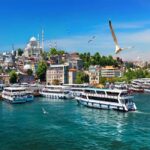
Çırağan Palace
Next is Çırağan, commissioned by Sultan Abdulaziz and designed by Sarkis Balyan. Construction finished in 1871, and it’s described as marble-built with a total area of 80,000 square meters. The palace was built where a former wooden summer palace stood, and the nearby Besiktas Mevlevihane was also destroyed during construction.
Today, it’s converted into a luxury hotel run by Kempinski. So even if the palace’s era is long gone, the setting still feels “big” from the water.
Ortaköy, the Bosphorus Bridge, and Bebek: neighborhoods that make the cruise feel real

This part is where the Bosphorus stops being just a museum. You start seeing everyday Istanbul rhythms.
Ortaköy
Ortaköy is a Beşiktaş district on the European side. The area includes Ortaköy and Mecidiye, settled along the valley opening to the coast. The bazaar is described as lively all hours of the day, with souvenir shops, cafés, and bars.
Here’s a useful timing detail: the market can feel a bit uninspiring early in the morning, with momentum starting after 10:00 am. Since this cruise runs in the afternoon, you’re generally more likely to catch Ortaköy at full energy.
The Bosphorus Bridge
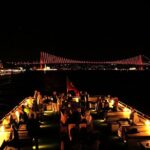
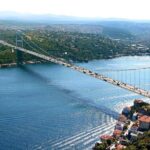
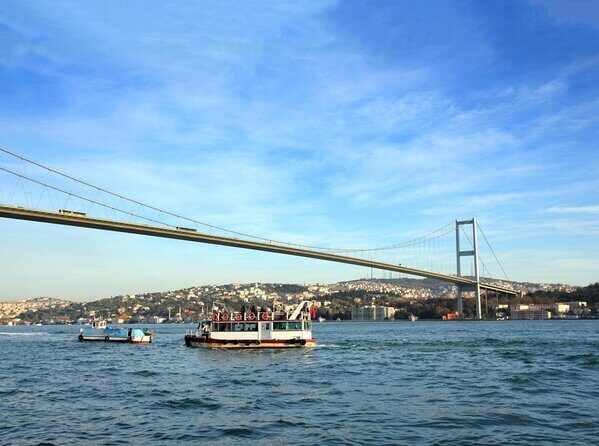
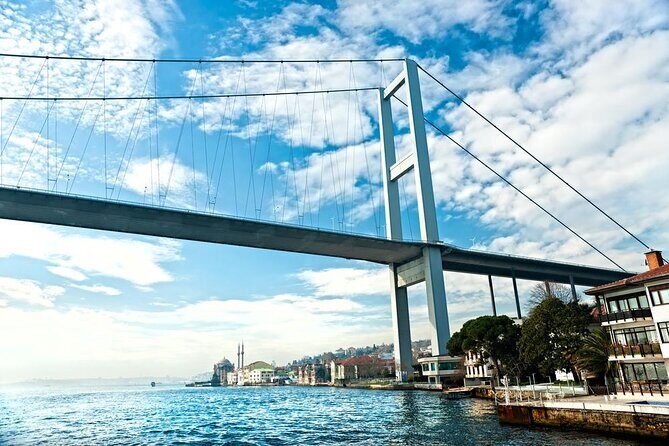
The Bosphorus Bridge is the first bridge built across the Bosphorus, connecting Europe and Asia. Its feet are in Ortaköy (European side) and Beylerbeyi (Asian side). It’s also described as the first Europe-to-Asia bridge of Istanbul and the only bridge in the world with that Europe-to-Asia connection concept.
From your boat, the guide’s narration helps you understand what you’re seeing: this bridge isn’t just infrastructure. It’s a visual line dividing (and linking) continents.
Bebek
Bebek is a historic Bosphorus neighborhood on the European shore. The name translates roughly to baby, linked to the neighborhood’s attractive positioning along the water. It’s noted as a popular residential area since Ottoman times, and today it’s framed as a place with historical buildings like Bogaziçi University and waterside mansions.
The description compares Bebek to the Beverly Hills of Istanbul—meaning you’ll see a more upscale feel and more “residential coastline” character than in the busier stretches.
If your goal is photos plus atmosphere, this trio—Ortaköy, the bridge, then Bebek—delivers.
Rumeli Hisarı and Anadolu Hisarı: the Bosphorus chokepoint story in stone
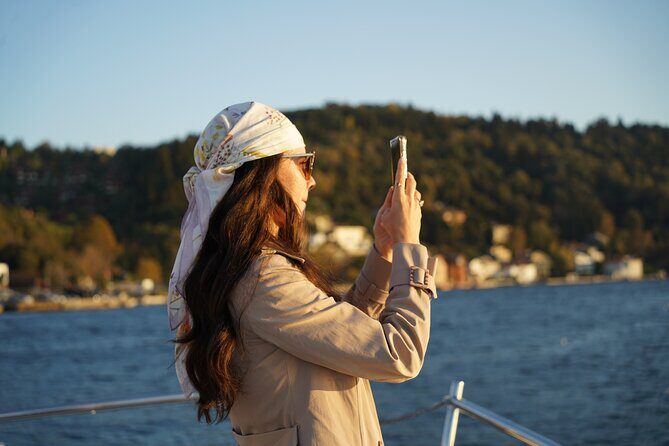
Now you get the defensive side of Istanbul. These two fortresses are about controlling the narrowest point and controlling maritime traffic.
Rumeli Hisarı (Rumeli Fortress)
Rumeli Hisarı is in Sarıyer, constructed across from Anadolu Hisarı. Construction began in 1453 at Sultan Mehmet the Conqueror’s order, placed at the Bosphorus’s narrowest point. The astonishing detail is that it was completed in just three months.
Before Istanbul’s conquest, it protected against naval attacks. Afterward, it served as an inspection point for maritime traffic. Today it functions as an open-air theater and museum.
From the water, it’s the kind of site where the guide’s context matters. You’ll likely notice how positioning and narrowing were the whole plan.
Anadolu Hisarı (Anatolian Fortress)
On the Asian side, Anadolu Hisarı sits in Beykoz at the Bosphorus narrowest point. It was built in 1395 by Bayezid I, consisting of a citadel and exterior castle walls.
After the conquest, its strategic importance dropped and it was converted into a military hospital. Later restoration between 1991 and 1993 turned it into a museum, but it’s noted as not open to the public. Today, it’s described as an open-air museum where only outer walls are visited, and the road passes just through it.
Practical takeaway for you: don’t expect a full interior experience. What you’ll get is the setting—outer walls, ruined edges, and that “you’re at the ancient edge of the city” feeling.
Beylerbeyi Palace and an Ottoman pavilion museum stop
At some point, you’ll get more direct architecture time, not just shoreline viewing.
Beylerbeyi Palace
Beylerbeyi Palace is an Ottoman summer palace complex built in the 1860s on the Bosphorus shores. It’s designed by Sarkis Balyan and described as combining elements of Renaissance, baroque, and other styles from both East and West.
The main building is a two-store stone construction on a high basement. The complex includes six halls, 24 rooms, and one hamam plus one bathroom. It’s also right under the Bosphorus Bridge, so the setting is visually striking.
Two details I’d use as your focus while you’re there or viewing it: the lily pond and the large garden. They help you understand how palaces weren’t only about rooms; they were also about controlling views and light.
The Ottoman pavilion museum
There’s also an Ottoman pavilion used by emperors as a hunting lodge, now functioning as a museum. The plan includes you entering it, so you should treat this as your moment for closer architectural looking and Ottoman-era room and layout context.
This is the part that balances the cruise’s “from the water” perspective. If you like architecture, take your time inside and don’t rush your photos. Small details matter more when you’re actually standing in the spaces.
Tower views: Galata Tower, Galata Bridge, and the photo-friendly skyline
Even if your cruise is about the Bosphorus, Istanbul’s skyline connections show up in the guide’s storytelling.
Galata Tower
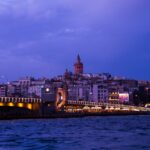
Galata Tower is described as Genoese-built in 1348, a nine-story tower standing 66.90 meters tall. In the Ottoman era it was used as a fire observatory and a jail.
The most famous moment tied to it is in 1632, when Hezarfen Ahmet Çelebi glided from the top of the tower across the Bosphorus to Üsküdar using self-constructed wings.
A storm in 1875 destroyed the tower’s conic roof, and it wasn’t restored during the rest of the Ottoman era. The conical cap was restored in the 1960s, and the wooden interior was replaced by a concrete structure. Today, it’s open to the public with a restaurant and cafe on the upper floor, and it’s described as an optimum spot for panoramic views of Istanbul.
For you, the useful angle is this: if you’re the kind of traveler who plans photos, decide your “tower moment.” The tower is a skyline reference point, so even a short look from the right vantage can help your later wandering.
Galata Bridge
Galata Bridge spans the Golden Horn. The story here starts in 1845, with many changes over time. In 1992, it was damaged by fire and rebuilt. The old bridge was moved to Halic.
It’s described as important symbolically and in daily life, with restaurants, cafés, and hookah lounges below and tram plus pedestrian traffic above. It’s also noted for people fishing from the bridge and ferries docking nearby—very much a lived-in photo spot, especially in evening light.
Even if you don’t fully explore it, the guide’s narration can make the city feel connected instead of like separate neighborhoods glued together.
Price and value for a guided 2-hour Bosphorus yacht cruise
At $60.47 per person, you’re buying four things that add up quickly in Istanbul:
- Time: about 2 hours on the water, usually enough to see multiple shores and landmarks without feeling drained.
- A live guide in English, so you’re not stuck guessing what you’re looking at.
- Comfort: a yacht ride plus a restroom onboard.
- Food and drinks: fruit, cookies, baklava, hot drinks, plus mint lemonade and coffee/tea/water.
The main “don’t assume” item is alcohol—it isn’t included. And transfers aren’t included either, so your real total cost depends on how you get to the meeting point.
Also, the group size is capped at 30, which usually means you can hear the guide without fighting for space.
This cruise fits best if you’re:
- Doing Istanbul for the first time and want the Bosphorus story in one afternoon
- Traveling solo and want a group feel without the chaos
- More interested in architecture + geography than museum-hopping
It’s not a great match if you’re prone to seasickness or have vertigo, since the operator specifically notes that limitation.
Should you book this Bosphorus afternoon cruise?
I think you should book it if you want an efficient, guided way to see the Bosphorus without spending your whole day on logistics. The mix of live narration, included snacks like baklava and mint lemonade, and the chance to view palaces, bridges, and fortresses from the water makes the price feel reasonable.
Skip it if you know you’ll feel unwell on boats. Also, if you’re the type who needs alcohol included, plan ahead since drinks here are non-alcoholic.
One last practical tip: because this starts at 1:00 pm, bring sunscreen and a light layer. Bosphorus air can feel different as the afternoon rolls on, and you’ll want to be comfortable while you look up at palaces and bridges.
If you’re building a first Istanbul trip, this is a strong “connect the dots” afternoon.
FAQ
What is the duration of the guided Bosphorus afternoon cruise?
The cruise lasts about 2 hours.
How much does it cost per person?
The price is $60.47 per person.
What time does the tour start and where does it end?
It starts at 1:00 pm at Ömer Avni, Meclis-i Mebusan Cd. No:34, 34427 Beyoğlu/İstanbul, and it ends back at the meeting point.
What language is the tour guide?
The experience is offered in English.
What’s included on the yacht?
It includes a professional tour guide, 2 hours luxury yacht cruise, a restroom on the boat, fresh fruit, cookies, and baklava served onboard, and complimentary drinks such as homemade mint lemonade with fresh mint, water, tea, and coffee.
Is the tour suitable for everyone who has motion sensitivity?
It is not recommended for travelers who have vertigo and seasickness.
You Might Also Enjoy
More Tour Reviews in Istanbul


More Morning & Daytime Cruises on the Bosphorus & Istanbul
More Yacht Cruises on the Bosphorus & Istanbul
- Bosphorus Yacht Cruise with Stopover on the Asian Side – (Morning or Afternoon)
★ 5.0 · 1,657 reviews