REVIEW · ISTANBUL
Bosphorus Sightseeing Cruise Tour with Audio Guide
Book on Viator →Operated by SeaLand Trip Bosphorus Cruise · Bookable on Viator
One of the best views in Istanbul comes by boat. This Bosphorus sightseeing cruise links the European and Asian sides with major sights like Dolmabahçe Palace and Kız Kulesi (Maiden’s Tower), plus unlimited Turkish tea and Nescafé. I like how it gives you a lot of landmark time without turning your day into a museum sprint.
I also like the value: at about $12.07 for roughly 2 hours, you get onboard amenities (including Wi-Fi and restrooms) and a structured way to learn the story through an audio guide in 11 languages. The one drawback to plan for is sound: the live onboard narration is limited, and the audio experience depends heavily on having your own headphones and a fully charged smartphone.
If you bring the right gear and pick your seat thoughtfully, this cruise is one of the easiest ways to get your bearings and enjoy the water views.
In This Review
- Key highlights before you go
- Why this $12.07 cruise feels like a bargain
- Entering the boat: seats and deck reality (where most problems start)
- The audio guide system: how to hear it without frustration
- European Side Views: from Galata to the Dolmabahçe shoreline
- Galata Bridge and the Golden Horn mood
- Galata Tower: a skyline marker with flight legend
- Hagia Sophia: you’re close, but on the water
- Topkapi Palace: the Ottoman waterfront power seat
- Galataport (Galata Cruise Port): modern waterfront in the middle of old city
- Dolmabahçe Mosque and Dolmabahçe Palace: European-Ottoman mix
- Çırağan Palace and Beşiktaş Stadium: the shore gets modern again
- Ortaköy: cafés and shoreline life
- Bebek, Kuruçeşme, and Arnavutköy: more upscale, more walkable atmosphere
- Rumeli Fortress: the Bosphorus as a defense line
- Asian Side Highlights: Beylerbeyi, Anadoluhisarı, and Kız Kulesi
- Bridges that define the strait’s modern map
- Anadoluhisarı: the “other side” fortress
- Küçüksu Pavilion and Kandilli: quieter historic waterfronts
- Kuleli Military High School: institutions on the waterline
- Waterfront “yalı” mansions: old wealth architecture
- Üsküdar, Kuzguncuk, and the calmer neighborhood feel
- Beylerbeyi Palace: a major palace moment on the Asian side
- Beylerbeyi to Maiden’s Tower: closing with a classic icon
- When to go and where photos tend to work best
- Should you book this Bosphorus Sightseeing Cruise?
- FAQ
- What’s the duration of the Bosphorus sightseeing cruise?
- How much does the cruise cost?
- What languages are available for the audio guide?
- Do I need to download an app for the audio guide?
- Do I need to bring headphones?
- Is Wi-Fi available on board?
- What drinks are included?
- Where do I meet for the tour?
- Does the cruise return to the meeting point?
- Is hotel pickup included?
Key highlights before you go
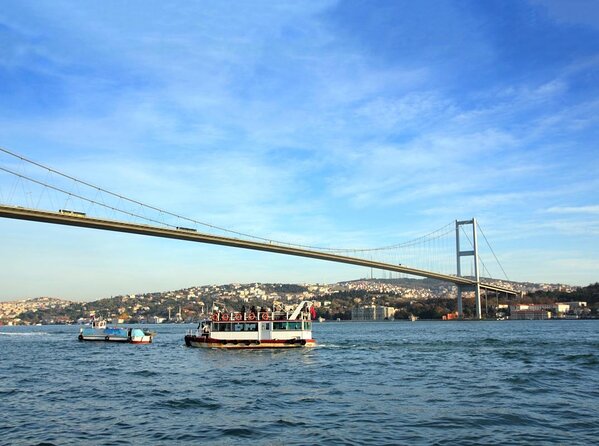
- Two-hour Bosphorus route covering both sides of Istanbul with photo-ready landmarks along the way
- Unlimited Turkish tea and Nescafé included, so you can stay relaxed instead of hunting for a café
- 11-language audio guide that’s the main narration (live speaker announcements are limited)
- Front-deck seating helps when you want the best views and easier listening
- Palaces, towers, and fortresses show up repeatedly, so the cruise works as a fast orientation tour
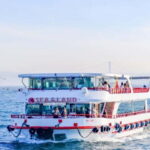
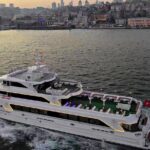
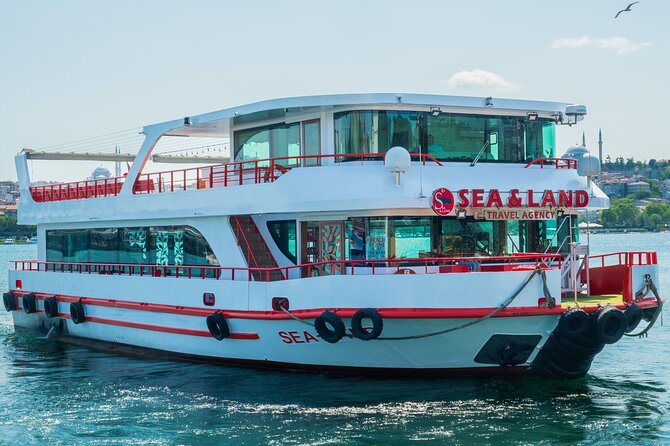
- Smaller than the mega-boat feel (max 250 people) for a calmer ride than you might fear
Why this $12.07 cruise feels like a bargain
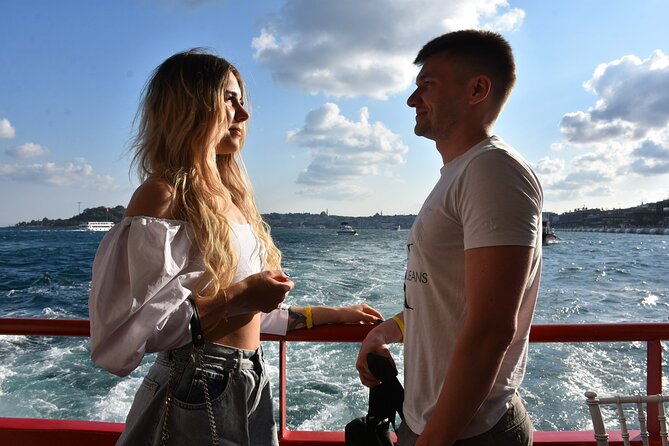
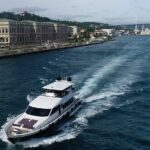
This tour is built for one thing: letting you see a lot of Istanbul from the Bosphorus without spending the whole day on transport. You’re cruising the strait that separates Europe and Asia, so even the simple parts—bridge passes and waterfront mansions—feel like a moving sightseeing gallery.
The price makes sense when you factor in what’s included. You’re not just paying for a boat ride; you’re getting unlimited Turkish tea and Nescafé, onboard Wi-Fi, and a restroom on board. And the learning component is there, too, through a smartphone-based audio guide in 11 languages (English included).
That brings up the bigger “value truth” about this cruise: it’s a practical way to get context. You’ll still want to do deeper visits later—especially for places like Hagia Sophia or Topkapi Palace—but the cruise helps you understand why these waterfronts matter.
If you're still narrowing it down, here are other tours in Istanbul we've reviewed.

Entering the boat: seats and deck reality (where most problems start)
The Bosphorus is windy sometimes, engines are loud, and crowds happen. So I’d treat your seating like part of the tour, not an afterthought.
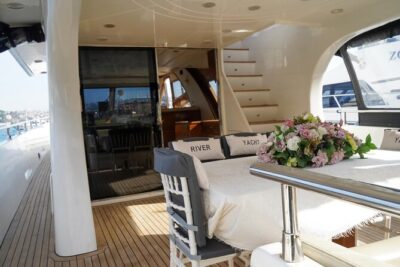
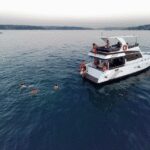
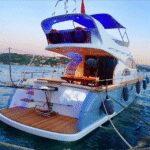
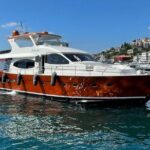
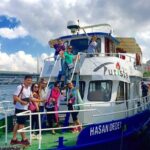
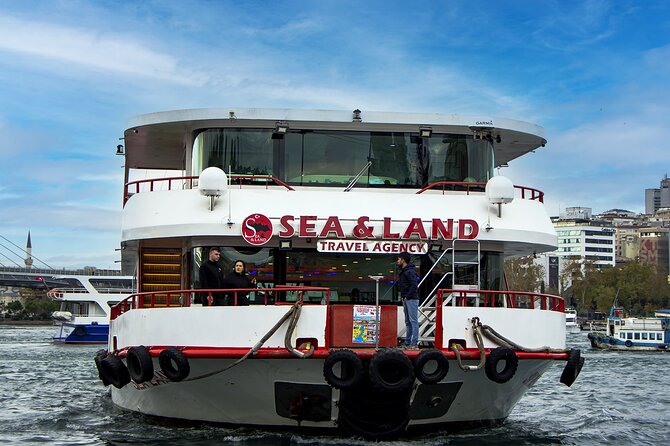
On this cruise, the boat has two floors, and sound can be harder to catch if you’re seated far back or mostly shielded by the structure. You’ll also have an easier time staying oriented if you choose a spot where you can see the passing shoreline clearly. A simple tip that saves headaches: sit toward the front when you can, because the ride noise increases as you get away from the engines and main audio areas.
If you want the best views as the scenery changes, think left/right depending on where you’re expecting key sights to appear. One helpful pattern people follow is choosing the left side for certain landmark moments during the return leg.
Also, don’t rely on Wi-Fi as your safety net for the audio. It’s offered onboard, but it can be weak in open areas. The audio plan should work with GPS on your phone once you’re set up.
The audio guide system: how to hear it without frustration
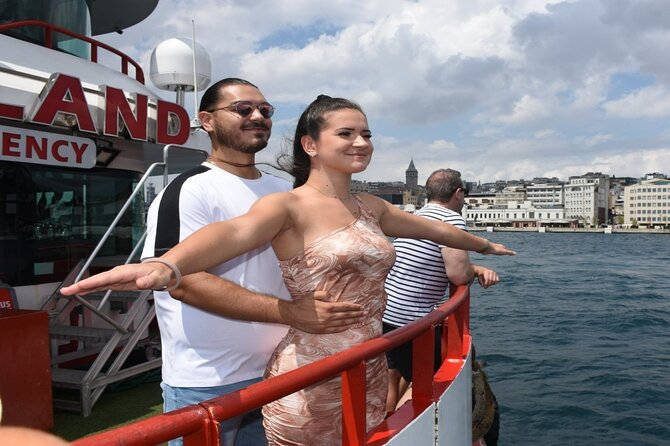
Here’s the deal that can make or break your experience: this cruise uses the smartphone audio guide as the primary narration. Live loudspeaker announcements are mainly for general information and safety, not full historical commentary.
So what you need is simple:
- Your own headphones
- A fully charged smartphone
- Access to the audio guide website (the tour says no app download is required)
- Use it with GPS so the guide matches landmarks as you pass them
Instructions for setup are posted on the boat, and staff can help if you’re stuck. The audio guide is offered in 11 languages, so even if you don’t catch every spoken sentence from the deck speakers, you can still follow the story privately.
One more practical note: if your phone battery is low or your signal is shaky, the audio may not behave the way you expect. I’d charge beforehand like you would for a long day out.
European Side Views: from Galata to the Dolmabahçe shoreline
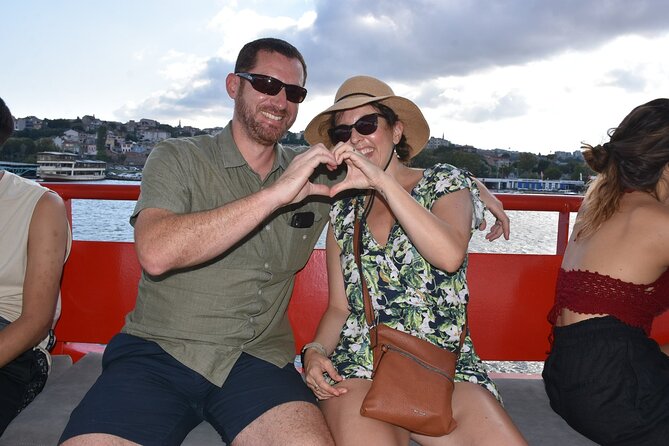
The cruise starts in the Eminönü area and moves you along a route that layers Istanbul’s past and present. Even when you’re just passing structures, the waterfront context helps you understand the city’s layout.
Galata Bridge and the Golden Horn mood
You pass Galata Bridge, a crossing that connects Istanbul’s historic and modern districts over the Golden Horn. It’s famous for the seafood restaurants underneath and fishermen up top—so it’s one of those “you’ll notice it even if you’re not looking for it” landmarks. It’s also a reminder that Istanbul’s waterways are not just scenic; they’re working parts of daily life.

Galata Tower: a skyline marker with flight legend
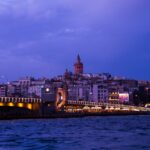
You also see Galata Tower—built in 1348 by the Genoese and about 67 meters tall. Today it’s a museum and café, but it’s still tied to a legendary story about Hezarfen Ahmed Çelebi’s flight. From a moving boat, you won’t tour the inside, but you’ll get a strong sense of how this kind of landmark functioned as a watch point.
Hagia Sophia: you’re close, but on the water
Hagia Sophia is one of those sights that feels like it’s always changing, depending on the angle. The cruise route gives you a view while you’re in motion, which means you’ll see the scale of the massive dome and the building’s blend of cultural layers (Byzantine cathedral, Ottoman mosque, and now mosque again). It won’t replace a full visit, but it helps you connect it to the waterfront geography.
Topkapi Palace: the Ottoman waterfront power seat
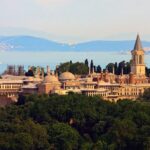
Next comes Topkapi Palace, where Ottoman sultans lived for nearly 400 years. Since it’s perched overlooking the Bosphorus, it makes the point that imperial power wasn’t hidden—it was displayed along the water. Expect courtyards and the palace presence from the sea, not interior details.
Galataport (Galata Cruise Port): modern waterfront in the middle of old city
You’ll also pass Galataport (Galata Cruise Port), a modern hub opened in 2021. It’s a reminder that Istanbul keeps redeveloping its waterfronts for today’s visitors and cruising routes, with an underground terminal and shops/restaurants nearby. If you like contrast, this stop gives you a good before-and-after moment.
Dolmabahçe Mosque and Dolmabahçe Palace: European-Ottoman mix
On the European side, the cruise highlights the Dolmabahçe Mosque, finished in 1855, with a design that blends traditional mosque architecture with Western influence. Not far from there is Dolmabahçe Palace, built in 1856, which served as the main administrative center of the Ottoman Empire from 1856 to 1922. From the Bosphorus, the palaces feel like they belong to the water because they literally face it.
One practical reason I like this part of the route: you’re seeing big names back-to-back. That makes it easier for you to remember what each one is, especially when you’re using the audio guide.
Çırağan Palace and Beşiktaş Stadium: the shore gets modern again
You’ll also catch views near Çırağan Palace, originally constructed as an Ottoman imperial palace in the 19th century, and Beşiktaş Stadium (Vodafone Park). These aren’t “palace-tour only” sites from the water, but they show how the Bosphorus shoreline continues evolving—imperial waterfront to modern institutions and sports culture.
Ortaköy: cafés and shoreline life
Along the way you’ll pass Ortaköy, known for cafés, art galleries, and views along the Bosphorus. This is one of the spots where the cruise works as a preview: if you like the vibe, you can plan to stop on land later and wander.
Bebek, Kuruçeşme, and Arnavutköy: more upscale, more walkable atmosphere
As the route progresses, the shoreline shifts toward Bebek and Kuruçeşme, both upscale European-side neighborhoods with parks, waterfront charm, and dining options. Then Arnavutköy adds a slightly more local feel with narrow streets and traditional Ottoman architecture.
From the boat, you might not catch every street detail, but you’ll understand why people pick these neighborhoods for longer stays or calmer waterfront time.
Rumeli Fortress: the Bosphorus as a defense line
Later on the European side, you pass Rumeli Fortress (Rumeli Hisarı), a historic castle overlooking the Bosphorus. Fortresses on a narrow waterway make the strategic point instantly: this strait isn’t just scenery; it’s a corridor that mattered for control.
If you’re a photo person, this is a nice moment because fortifications look dramatic even in daylight.
Asian Side Highlights: Beylerbeyi, Anadoluhisarı, and Kız Kulesi
After the cruise reaches the Asian side, the views keep building, and the landmark types change from palaces and neighborhoods to fortresses and waterfront towers.
Bridges that define the strait’s modern map
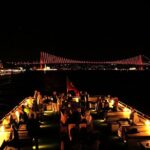
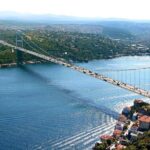
You pass major Bosphorus crossings, including the Bosphorus Bridge (15 July Martyrs Bridge) and the Fatih Sultan Mehmet Bridge (Second Bosphorus Bridge). These passes help you understand how the modern city connects what used to be separated.
This matters because Istanbul’s geography isn’t abstract. Seeing the bridges from the water helps you visualize how far the shoreline influence reaches.
Anadoluhisarı: the “other side” fortress
On the Asian side you’ll see Anatolian Fortress (Anadoluhisarı), also overlooking the Bosphorus. Pair it mentally with Rumeli Fortress and you get a cleaner story: two fortifications facing across the strait, built to watch and control movement.
Küçüksu Pavilion and Kandilli: quieter historic waterfronts
You’ll also pass Küçüksu Pavilion, an Ottoman-era palace built in the 19th century by Sultan Abdulmecid I as a summer retreat. Along the Asian shore, Kandilli is noted as historic and peaceful, which is exactly the kind of contrast you want after a denser European-side stretch.
Kuleli Military High School: institutions on the waterline
Another shoreline landmark is Kuleli Military High School, a historic military school overlooking the Bosphorus. From a moving boat, you mostly take in the silhouette, but it adds variety so the trip doesn’t feel like one palace after another.
Waterfront “yalı” mansions: old wealth architecture
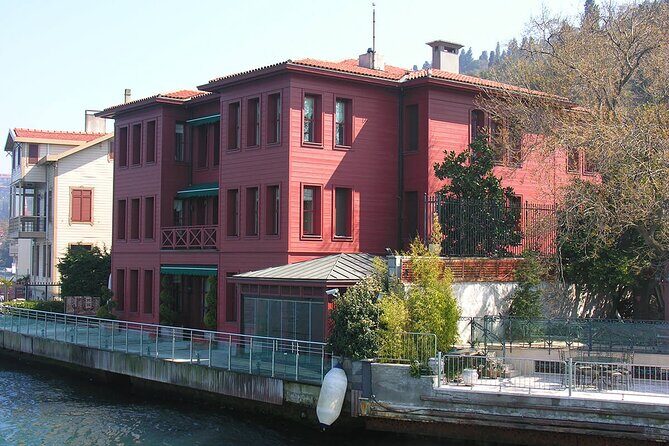
Istanbul yalı refers to historic waterfront mansions along the Bosphorus. Even without stepping out, you’ll likely notice the architectural rhythm: these homes were built right on the water, so their presence makes the shoreline feel like one long gallery of private history.
Üsküdar, Kuzguncuk, and the calmer neighborhood feel
The route includes Üsküdar and Kuzguncuk, with Kuzguncuk described as charming and historic. Seeing these names from the water helps you connect them to the lived-in feel of Istanbul’s neighborhoods, not just its monuments.
Beylerbeyi Palace: a major palace moment on the Asian side
One of the biggest Asian-side highlights is Beylerbeyi Palace, an Ottoman-era palace along the Bosphorus. From the sea, it’s a strong “palace facing the water” example, similar in concept (though different in details) to Dolmabahçe on the European side.
Beylerbeyi to Maiden’s Tower: closing with a classic icon
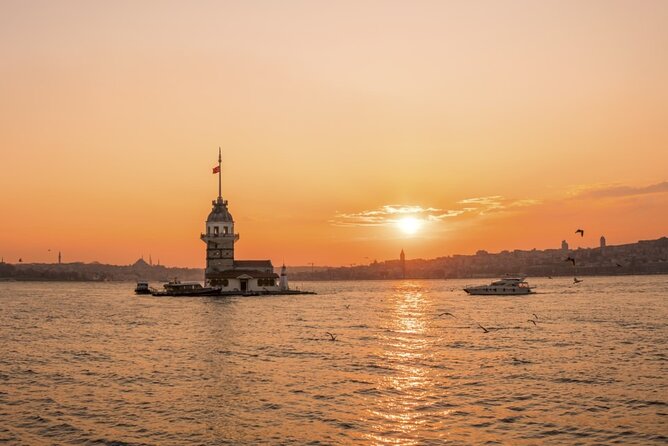
Finally, you reach Maiden’s Tower (Kız Kulesi), a small historic tower on a tiny islet at the entrance of the Bosphorus. This is the kind of spot where the cruise gives you exactly what you want: a clear view of the silhouette in open water. It’s also the perfect ending image if you’re trying to remember this trip later.
When to go and where photos tend to work best
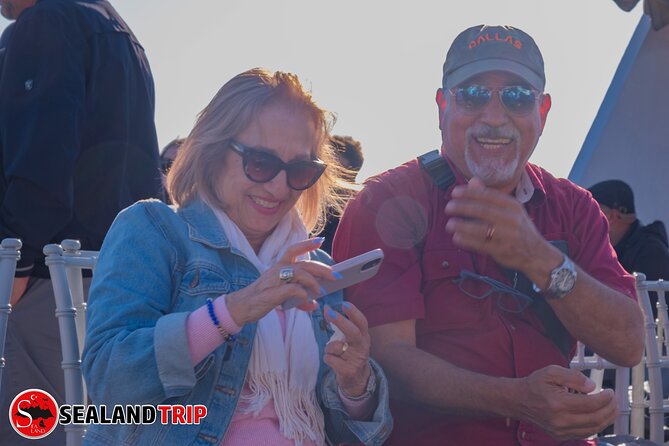
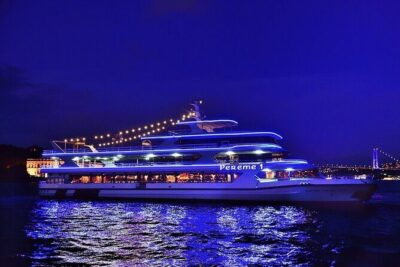
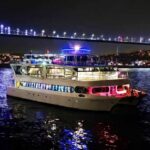
Timing changes the whole mood. If you can catch an afternoon into sunset departure, you’ll usually get Istanbul in daylight and then in night lighting as the landmarks shift color. That’s one of the most satisfying ways to do this cruise because the city looks like two different places in one ride.
A few photo tips that actually help:
- Don’t wait for one perfect moment. With a 2-hour schedule, landmark timing moves quickly.
- If you care about hearing the audio while filming, plan your seat first, then bring your camera gear where you can hold a stable angle without blocking your view.
- If the deck is crowded, aim for the area where your sightline isn’t constantly interrupted by people moving for a better angle.
And yes, bring your patience. This is an active port area with lots of movement. The best approach is to treat the cruise as a rolling panorama and accept that not every frame will be postcard-perfect.
Should you book this Bosphorus Sightseeing Cruise?
Book it if you want:
- A cheap way to get your bearings on both sides of Istanbul
- A route that hits major landmarks like Dolmabahçe Palace and Maiden’s Tower within about 2 hours
- Included perks—unlimited Turkish tea and Nescafé, plus onboard facilities
Skip it (or upgrade your expectations) if you want:
- A full guided tour with a continuously audible live host. Here, the audio guide is the star, and it depends on you having headphones and a charged phone.
- Quiet luxury. The boat can feel tight on busy departures, and you’ll want a good seat to get the best experience.
My bottom line: if you show up prepared for the audio system and grab a decent spot on the deck, this is a strong value pick. It’s the kind of tour that helps you understand Istanbul fast, then lets you spend your time later on land where you actually want to linger.
FAQ
What’s the duration of the Bosphorus sightseeing cruise?
The cruise is about 2 hours.
How much does the cruise cost?
The price is listed as $12.07 per person.
What languages are available for the audio guide?
The audio guide is available in 11 languages, including English.
Do I need to download an app for the audio guide?
No app download is required. The audio guide is accessed through a website, and instructions are posted on the boat.
Do I need to bring headphones?
Yes. The audio guide uses a smartphone as the main narration, so you need your own headphones to hear it well.
Is Wi-Fi available on board?
Yes, Wi-Fi is available on board.
What drinks are included?
Unlimited free Turkish tea and Nescafé are included.
Where do I meet for the tour?
The meeting point is SeaLand Travel Agency in Eminönü, located at Rüstem Paşa, Ragıp Gümüşpala Cd. No:8/2, 34116 Fatih/İstanbul, Türkiye.
Does the cruise return to the meeting point?
Yes. The activity ends back at the meeting point.
Is hotel pickup included?
No, hotel pickup is not included.